The Mirror: What Your Family's Reactions Show You About Yourself
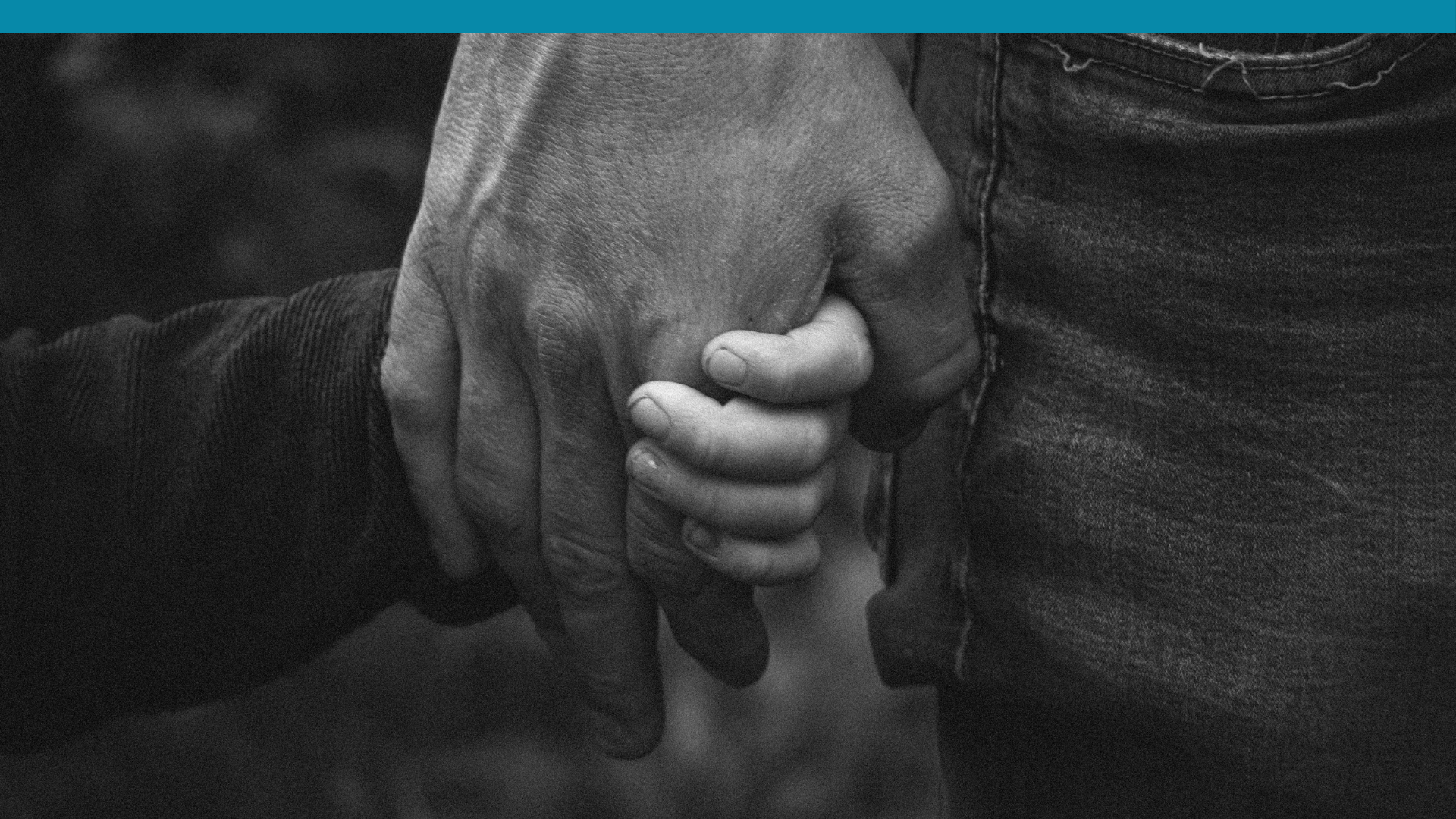
You carry a story about the kind of father you are. Maybe you’re the steady one, the one your kids can count on, the one who does it differently than it was done to you. You’ve held on to that story for years because it has always felt true.
Then something small happens on an ordinary afternoon. Your kid pulls back when you raise your voice, or your wife goes silent in a way she didn’t used to, and for a second their reaction tells you something your story doesn’t.
I know that moment because I lived it with my son. It’s the most personal story I’ve told on Course Correction, and it changed how I understand what the people closest to us are showing us.
This blog post complements Episode 5 of Course Correction. You can watch the full episode below, or listen on Apple Podcasts, Spotify, and others.
Why I Lost My Temper With My Son Over a Messy Room
My twin sons were eleven or twelve. I was a single dad at the time, and for weeks I had been asking them to clean the big room they shared. Ask, forget, ask again, argue. It was one of those small things that had started to feel like it represented everything, so I finally gave them an ultimatum: clean the room or the weekend sleepover at their friend’s house wasn’t happening.
About ten minutes later, one of my sons showed up in the doorway. “Hey, Dad, I’m all done. Can I go to the sleepover?” I knew he wasn’t done, because that room would have taken the better part of an hour. I didn’t say that. I said, “Sure. Show me.”
The room looked much better than I expected. He gave me a big, confident smile and started doing what he always does when he’s nervous, over-explaining things I hadn’t asked about. He walked me over to his shelves, talking fast and filling the air, and I let him. I even told him it looked good.
Then I moved toward the closet, the one with full-length mirrored sliding doors. His voice changed. “No, Dad, don’t open it.” His hands went up to his head, and the confident kid who had just been showing me his shelves was gone.
As I slid the door open, I caught my own reflection for a second: my face, my hand already moving, and behind me, slightly out of focus, my son with his hands on his head, waiting. Then the panel cleared, and I saw that everything from the floor had been piled into the closet, worse than before he started.
What Happens When the Anger Pattern Takes Over
What moved through me next wasn’t a thought or a decision. It was a charge that started in my chest and moved outward before I had formed a single conscious word, and by the time I noticed it, I was already doing it.
I turned on him. The words came fast and hard, about dishonesty and disrespect. “You think you can stand there and lie to my face?” I was loud and certain, and I was demanding something from him that had nothing to do with a clean room.
“Some small observer was watching from somewhere behind my rage, noting that this was bigger than the closet. But that observer had no power, because my program was already running.”
— Stephen Rodi
Signs Your Child Is Afraid of You
Then I saw it. He moved away from me slightly, just enough for me to notice, the way a body moves when something threatening comes toward it and there’s nowhere to go. His hands came up in front of his face and chest. He didn’t decide to do that, because his body did it before he could.
After I stopped yelling and the moment passed, his body shuddered. It wasn’t dramatic, just a single tremor from his shoulders down, the kind that happens when you’ve been bracing against something and the tension finally lets go all at once.
I felt sick to my stomach, because I knew that shudder. I had felt the same release as a boy, in rooms not so different from that one, when the threat finally moved on and I could let go of what I had been holding.
“My son was afraid of me. Real fear. Not just uncomfortable, but the kind of fear that lives in the body, not the mind.”
— Stephen Rodi
And it was over a closet full of laundry.
The Story I Told Myself About the Kind of Father I Was
I had always told myself I was the steady dad, the one my sons could count on, the one who showed up differently than the environments I came from. I held on to that story for years, and it had always felt true. His shudder told me something different.
Then I thought about the mirror. I had seen my own face in that panel just before I opened it, my hand already committed to what I was about to do. I hadn’t registered it in the moment. Standing there, watching my son’s body let go of the fear I had just put into it, I understood what I had seen.
The door I reached for was a mirror, and what I found on the other side of it wasn’t his mess. It was mine.
“That is what a mirror does. It does not show you what you want to see. It shows you what is there, and if we are paying attention, what we need to see.”
— Stephen Rodi
How Your Family Reflects the Way You Show Up
The people closest to us are our mirrors. Your partner, your children, and the people who know you well enough that they can’t pretend all reflect back how you’re showing up, which is rarely the version of yourself you carry in your head.
In my work with men, this is one of the things I say most consistently: look at your mirrors. The clearest picture of where you are is almost never inside your own head. It’s in the people around you, in how they respond to you and what their bodies do when you walk into the room.
Your wife going silent when you come home, your kid avoiding eye contact after a blowup, your partner choosing her words carefully and waiting for the right moment to say them: those are mirrors, and they’re showing you something worth seeing.
That doesn’t make every reaction around you your fault or your job to manage. When the people closest to you respond to you the same way again and again, though, that response is information. Look at it honestly, without judging yourself and without rushing to fix it, so you can consider what comes next.
Breaking the Cycle of Anger as a Father
My son was my mirror that afternoon, and what he reflected back was something I had been carrying for a long time without seeing it. Over the next several episodes of Course Correction, I’m going to walk through what that moment opened up for me: where the pattern came from, not just in my life but in the lives that came before mine, why it ran the way it did, and why I couldn’t have stopped it through will alone.
I can tell you where this work leads. For well over a decade, my sons and I have said the same thing to each other when we say goodbye. We look each other in the eyes and say, “I see you. I love you.” I didn’t know how to say those words and mean them the way I mean them now until I had seen my reflection in that room.
I don’t think my story is unusual. Some version of it happens in homes everywhere, on an ordinary afternoon when the mirror was right there and you either looked away or didn’t know what you were seeing.
This Week’s Practice: Find Your Mirrors
This week, find your mirrors: your partner, your children, the people closest to you who know you well enough to reflect something real. Watch what they’re showing you, without judging yourself or performing something different for their benefit, and look honestly at what’s there.
In the story I just told you, what I saw in my son was fear. What I see in those same mirrors now is love and trust. The mirror shows you where you are, and it also shows you how far you’ve come. Both are worth seeing, and you can start looking this week.
Book a free conversation with Stephen.
Prefer to listen?
New to Course Correction? Start with Episode 1: Why High-Functioning Men Feel Emotionally Numb (And What to Do About It).
Next up: Episode 6: The Legacy: Why You Keep Repeating Your Father’s Patterns.
Commonly Asked Questions
Why do I keep losing my temper with my kids when I swore I wouldn’t?
The reaction has usually been with you longer than your kids have. Most of us learned it early, often in homes where it served a purpose or where it was the only way we saw anyone handle hard feelings. Willpower can’t override it on its own, because the reaction fires before conscious thought catches up. The first step is recognition: catching the pattern while it’s happening instead of only knowing it exists. From there, the work is understanding where it came from and what it was built to protect.
How do I know if my child is afraid of me?
Watch their body more than their words. Pulling back when you raise your voice, hands coming up, going silent when you walk into a room, avoiding eye contact, or over-explaining to head off conflict are all signs worth paying attention to. A child’s body reacts to a threat faster than their words can, so what it does when you’re upset is more honest than anything they’ll say about it.
Can I break the cycle of anger I inherited from my parents?
Yes, though not through willpower or promises alone. Breaking a cycle starts with seeing it clearly, then understanding where it came from, then building awareness in the moments when it runs. The pattern may not disappear, but you develop the ability to recognize it as it happens and choose differently. That’s what a course correction is: a conscious choice where there used to be none.
What does it mean that the people closest to you are your mirrors?
The people who know you best reflect back how you’re showing up through their reactions, their body language, how open they are with you, or how careful they are around you. Your picture of yourself might say one thing while their response tells you what’s happening in the room. Looking at those mirrors honestly, without getting defensive, is one of the most foundational practices in this work.
I know I have an anger problem. Why isn’t knowing enough to change it?
Knowing you have a pattern and catching it as it fires are two different experiences. The first is a thought you carry around, and the second is a moment you live through. Catching it in the moment gives you the space to choose something different, and building that ability takes practice over time.
Start a conversation with Stephen.